Table of content
 | |
| • | Table of Contents |
| • | Index |
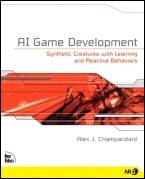
| AI Game Development: Synthetic Creatures with Learning and Reactive Behaviors | |||||||||||||||||||
| By Alex J. Champandard | |||||||||||||||||||
| Publisher | : New Riders Publishing | ||||||||||||||||||
| Pub Date | : November 21, 2003 | ||||||||||||||||||
| ISBN | : 1-5927-3004-3 | ||||||||||||||||||
| Pages | : 744 | ||||||||||||||||||
| Copyright | |||||||||||||||||||
| About the Author | |||||||||||||||||||
| About the Technical Reviewers | |||||||||||||||||||
| Acknowledgments | |||||||||||||||||||
| Tell Us What You Think | |||||||||||||||||||
| Foreword | |||||||||||||||||||
| About Alex | |||||||||||||||||||
| Something Different | |||||||||||||||||||
| Useful for Everybody | |||||||||||||||||||
| Introduction | |||||||||||||||||||
| Why Learning and Reactive Behaviors? | |||||||||||||||||||
| Who Is This Book For? | |||||||||||||||||||
| How Is the Book Organized? | |||||||||||||||||||
| Where Is the Web Site? | |||||||||||||||||||
| Which Software Is Required? | |||||||||||||||||||
| Part I: Overview | |||||||||||||||||||
| Chapter 1. Artificial Intelligence in Computer Games | |||||||||||||||||||
| Overview of Artificial Intelligence | |||||||||||||||||||
| Computer Games and AI | |||||||||||||||||||
| The State of Game AI | |||||||||||||||||||
| Designers Versus AI | |||||||||||||||||||
| AI in Game Programming | |||||||||||||||||||
| Chapter 2. The Design of Intelligence | |||||||||||||||||||
| An Engineer's Perspective | |||||||||||||||||||
| Traditional Approach | |||||||||||||||||||
| A Modern Approach | |||||||||||||||||||
| Required Background | |||||||||||||||||||
| AI Development Process | |||||||||||||||||||
| Summary | |||||||||||||||||||
| Chapter 3. Reactive Approach | |||||||||||||||||||
| Definitions | |||||||||||||||||||
| Behaviors: Planning Versus Reactive | |||||||||||||||||||
| Reactive Techniques in Game Development | |||||||||||||||||||
| Architectures | |||||||||||||||||||
| Summary | |||||||||||||||||||
| Chapter 4. FEAR: A Platform for Experimentation | |||||||||||||||||||
| Technical Overview | |||||||||||||||||||
| World Interface | |||||||||||||||||||
| Modules | |||||||||||||||||||
| Flexible Architecture | |||||||||||||||||||
| Creating an Animat | |||||||||||||||||||
| Summary | |||||||||||||||||||
| Part II: Moving Around | |||||||||||||||||||
| Chapter 5. Movement in Game Worlds | |||||||||||||||||||
| The Environment and Space | |||||||||||||||||||
| Types of Game Worlds | |||||||||||||||||||
| Handling Movement | |||||||||||||||||||
| Assumptions | |||||||||||||||||||
| Testing Conditions | |||||||||||||||||||
| Summary | |||||||||||||||||||
| Chapter 6. Moving Abilities | |||||||||||||||||||
| The Art of Navigation | |||||||||||||||||||
| Game Bots and Movement | |||||||||||||||||||
| Autonomous Navigation for Animats | |||||||||||||||||||
| Criteria for Motion | |||||||||||||||||||
| Case Study | |||||||||||||||||||
| Summary | |||||||||||||||||||
| Chapter 7. Analysis and Understanding | |||||||||||||||||||
| The Big Picture | |||||||||||||||||||
| The Analysis Phase | |||||||||||||||||||
| The Understanding Phase | |||||||||||||||||||
| General Advice | |||||||||||||||||||
| Summary | |||||||||||||||||||
| Chapter 8. Formalizing Motion | |||||||||||||||||||
| Background Review | |||||||||||||||||||
| Sketching Possible Options | |||||||||||||||||||
| Rationalizing | |||||||||||||||||||
| Proposed Specification | |||||||||||||||||||
| Summary | |||||||||||||||||||
| Chapter 9. Specifications and Knowledge Representation | |||||||||||||||||||
| Overview of Formal Specifications | |||||||||||||||||||
| Knowledge Representation | |||||||||||||||||||
| Knowledge Representation Formalisms | |||||||||||||||||||
| Specification Procedure | |||||||||||||||||||
| Discussion | |||||||||||||||||||
| Summary | |||||||||||||||||||
| Chapter 10. Steering Behaviors for Obstacle Avoidance | |||||||||||||||||||
| Artificial Life Overview | |||||||||||||||||||
| Algorithm | |||||||||||||||||||
| Original Draft | |||||||||||||||||||
| Evaluation | |||||||||||||||||||
| Summary | |||||||||||||||||||
| Chapter 11. Rule-Based Systems | |||||||||||||||||||
| Background | |||||||||||||||||||
| Overview of Components | |||||||||||||||||||
| Theory and Knowledge | |||||||||||||||||||
| Discussion | |||||||||||||||||||
| Summary | |||||||||||||||||||
| Chapter 12. Synthesizing Movement with Rule-Based Systems | |||||||||||||||||||
| Case Study | |||||||||||||||||||
| Rationale | |||||||||||||||||||
| RBS Module Design | |||||||||||||||||||
| Implementation | |||||||||||||||||||
| Application | |||||||||||||||||||
| Evaluation | |||||||||||||||||||
| Summary | |||||||||||||||||||
| Part II. Conclusion | |||||||||||||||||||
| Retrospective Overview | |||||||||||||||||||
| Outlook | |||||||||||||||||||
| Part III: Learn to Shoot! | |||||||||||||||||||
| Chapter 13. Combat Settings | |||||||||||||||||||
| In the Armory | |||||||||||||||||||
| Weapon Requirements | |||||||||||||||||||
| Environment Conditions | |||||||||||||||||||
| Training Zone | |||||||||||||||||||
| Summary | |||||||||||||||||||
| Chapter 14. Player Shooting Skills | |||||||||||||||||||
| The Art of Combat | |||||||||||||||||||
| Gaming Skills | |||||||||||||||||||
| Criteria for Shooting | |||||||||||||||||||
| Case Study | |||||||||||||||||||
| Summary | |||||||||||||||||||
| Chapter 15. Shooting, Formally | |||||||||||||||||||
| Background | |||||||||||||||||||
| Sketching Possible Options | |||||||||||||||||||
| Rationalizing | |||||||||||||||||||
| Proposed Specification | |||||||||||||||||||
| Summary | |||||||||||||||||||
| Chapter 16. Physics for Prediction | |||||||||||||||||||
| Foundations | |||||||||||||||||||
| The Perfect Intersection | |||||||||||||||||||
| Predicting Behavior | |||||||||||||||||||
| Simulation Algorithm | |||||||||||||||||||
| Experimentation | |||||||||||||||||||
| Evaluation | |||||||||||||||||||
| Summary | |||||||||||||||||||
| Chapter 17. Perceptrons | |||||||||||||||||||
| History of Perceptrons | |||||||||||||||||||
| Model Overview | |||||||||||||||||||
| Simulation | |||||||||||||||||||
| Introduction to Optimization | |||||||||||||||||||
| Optimization of Perceptron Weights | |||||||||||||||||||
| Training Procedure | |||||||||||||||||||
| Graphical Interpretation | |||||||||||||||||||
| Summary | |||||||||||||||||||
| Chapter 18. Dealing with Aiming Errors | |||||||||||||||||||
| Momentum and Friction | |||||||||||||||||||
| Dealing with Errors | |||||||||||||||||||
| Evaluation | |||||||||||||||||||
| Summary | |||||||||||||||||||
| Chapter 19. Multilayer Perceptrons | |||||||||||||||||||
| History of Perceptrons | |||||||||||||||||||
| Model Overview | |||||||||||||||||||
| Simulation | |||||||||||||||||||
| Biological Parallels | |||||||||||||||||||
| Training Algorithms | |||||||||||||||||||
| Practical Issues | |||||||||||||||||||
| Discussion | |||||||||||||||||||
| Summary | |||||||||||||||||||
| Chapter 20. Selecting the Target | |||||||||||||||||||
| Case Study | |||||||||||||||||||
| Rationale | |||||||||||||||||||
| Module Design | |||||||||||||||||||
| Implementation | |||||||||||||||||||
| Application | |||||||||||||||||||
| Evaluation | |||||||||||||||||||
| Summary | |||||||||||||||||||
| Chapter 21. Knowledge of the Problem | |||||||||||||||||||
| Black Box Understanding | |||||||||||||||||||
| Underlying Knowledge | |||||||||||||||||||
| Fundamental Understanding | |||||||||||||||||||
| Refining the Problem | |||||||||||||||||||
| Methodology | |||||||||||||||||||
| Summary | |||||||||||||||||||
| Part III. Conclusion | |||||||||||||||||||
| Retrospective Overview | |||||||||||||||||||
| Outlook | |||||||||||||||||||
| Part IV: Choose Your Weapon | |||||||||||||||||||
| Chapter 22. Fighting Conditions | |||||||||||||||||||
| Weapon Properties | |||||||||||||||||||
| Applicability of Weapons | |||||||||||||||||||
| Training Zone | |||||||||||||||||||
| Summary | |||||||||||||||||||
| Chapter 23. Weapon Selection | |||||||||||||||||||
| Appealing Choices | |||||||||||||||||||
| Evaluation Process in Practice | |||||||||||||||||||
| Criteria for Weapon Selection | |||||||||||||||||||
| Case Study | |||||||||||||||||||
| Summary | |||||||||||||||||||
| Chapter 24. Formalizing Weapon Choice | |||||||||||||||||||
| Sketching Possible Options | |||||||||||||||||||
| Rationalizing | |||||||||||||||||||
| Proposed Specification | |||||||||||||||||||
| Summary | |||||||||||||||||||
| Chapter 25. Scripting Tactical Decisions | |||||||||||||||||||
| Foundations in Scripting | |||||||||||||||||||
| Scripted Weapon Selection | |||||||||||||||||||
| Evaluation | |||||||||||||||||||
| Summary | |||||||||||||||||||
| Chapter 26. Classification and Regression Trees | |||||||||||||||||||
| Representation of Decision Trees | |||||||||||||||||||
| Classifying and Regressing | |||||||||||||||||||
| Tree Induction | |||||||||||||||||||
| Training Procedure | |||||||||||||||||||
| Discussion | |||||||||||||||||||
| Summary | |||||||||||||||||||
| Chapter 27. Learning to Assess Weapons | |||||||||||||||||||
| Four Different Approaches | |||||||||||||||||||
| Rationale | |||||||||||||||||||
| Module Design | |||||||||||||||||||
| Implementation | |||||||||||||||||||
| Application | |||||||||||||||||||
| Evaluation | |||||||||||||||||||
| Summary | |||||||||||||||||||
| Chapter 28. Understanding the Solution | |||||||||||||||||||
| Complexity of the Solution | |||||||||||||||||||
| The Search Space | |||||||||||||||||||
| Different Approaches to Finding a Solution | |||||||||||||||||||
| Summary | |||||||||||||||||||
| Part IV. Conclusion | |||||||||||||||||||
| Retrospective Overview | |||||||||||||||||||
| Outlook | |||||||||||||||||||
| Part V: Using Items and Objects | |||||||||||||||||||
| Chapter 29. Analysis and Specification | |||||||||||||||||||
| Objects in the World | |||||||||||||||||||
| Behavior Enhancements | |||||||||||||||||||
| Specification | |||||||||||||||||||
| Summary | |||||||||||||||||||
| Chapter 30. Fuzzy Logic | |||||||||||||||||||
| Set Logic Extended | |||||||||||||||||||
| Fuzzy Representation and Conversions | |||||||||||||||||||
| Fuzzy Logic | |||||||||||||||||||
| Fuzzy Control and Decision Making | |||||||||||||||||||
| Discussion | |||||||||||||||||||
| Summary | |||||||||||||||||||
| Chapter 31. Enhancing Movement Behaviors with a Fuzzy System | |||||||||||||||||||
| Fuzzy Variables and Membership Functions | |||||||||||||||||||
| Fuzzy Rules | |||||||||||||||||||
| Module Design | |||||||||||||||||||
| Evaluation | |||||||||||||||||||
| Summary | |||||||||||||||||||
| Chapter 32. Genetic Algorithms | |||||||||||||||||||
| Biological Evolution in a Nutshell | |||||||||||||||||||
| Genetics and Representation | |||||||||||||||||||
| Genetic Algorithms | |||||||||||||||||||
| Genetic Operators and Evolutionary Policies | |||||||||||||||||||
| Advanced Issues | |||||||||||||||||||
| Discussion | |||||||||||||||||||
| Summary | |||||||||||||||||||
| Chapter 33. Learning Classifier Systems | |||||||||||||||||||
| Representation of Classifiers | |||||||||||||||||||
| Overview of the Classifier System | |||||||||||||||||||
| Architecture | |||||||||||||||||||
| Discussion | |||||||||||||||||||
| Summary | |||||||||||||||||||
| Chapter 34. Adaptive Defensive Strategies with Genetic Algorithms | |||||||||||||||||||
| Representation of Action Sequences | |||||||||||||||||||
| Genetic Operators | |||||||||||||||||||
| Evolutionary Outline | |||||||||||||||||||
| Genetic Algorithm Module Design | |||||||||||||||||||
| Computing the Fitness | |||||||||||||||||||
| Application | |||||||||||||||||||
| Evaluation | |||||||||||||||||||
| Summary | |||||||||||||||||||
| Chapter 35. Designing Learning AI | |||||||||||||||||||
| Purpose of Learning | |||||||||||||||||||
| Approach to Learning | |||||||||||||||||||
| Varieties of Learning Components | |||||||||||||||||||
| Methodologies for Learning Behaviors | |||||||||||||||||||
| Summary | |||||||||||||||||||
| Part V. Conclusion | |||||||||||||||||||
| Retrospective Overview | |||||||||||||||||||
| Outlook | |||||||||||||||||||
| Part VI: Emotions | |||||||||||||||||||
| Chapter 36. Emotive Creatures | |||||||||||||||||||
| Emotions Within Human Evolution | |||||||||||||||||||
| Biological Models for Emotion | |||||||||||||||||||
| From Emotions to Artificial Intelligence | |||||||||||||||||||
| Human/Machine Interaction | |||||||||||||||||||
| Emotion in Games | |||||||||||||||||||
| Summary | |||||||||||||||||||
| Chapter 37. Sensations, Emotions, and Feelings | |||||||||||||||||||
| Sensations | |||||||||||||||||||
| Emotions | |||||||||||||||||||
| Interfaces for Communicating Emotions | |||||||||||||||||||
| Portraying Emotions in Games | |||||||||||||||||||
| Summary | |||||||||||||||||||
| Chapter 38. Finite-State Machines | |||||||||||||||||||
| Formal Definitions | |||||||||||||||||||
| Representation and Simulation | |||||||||||||||||||
| Control Logic | |||||||||||||||||||
| Optimization | |||||||||||||||||||
| Discussion | |||||||||||||||||||
| Summary | |||||||||||||||||||
| Chapter 39. Under the Influence | |||||||||||||||||||
| Designing Artificial Emotions | |||||||||||||||||||
| Finite-State Module Development | |||||||||||||||||||
| Creating Emotions as Finite States | |||||||||||||||||||
| Evaluation | |||||||||||||||||||
| Summary | |||||||||||||||||||
| Chapter 40. Nondeterministic State Machines | |||||||||||||||||||
| Overview | |||||||||||||||||||
| Fuzzy State Machines | |||||||||||||||||||
| Nondeterministic State Machines | |||||||||||||||||||
| Probabilistic State Machines | |||||||||||||||||||
| Summary | |||||||||||||||||||
| Chapter 41. Hierarchical State Machines | |||||||||||||||||||
| Overview | |||||||||||||||||||
| Hierarchies | |||||||||||||||||||
| Interaction Semantics | |||||||||||||||||||
| Discussion | |||||||||||||||||||
| Summary | |||||||||||||||||||
| Chapter 42. An Emotional System | |||||||||||||||||||
| Hierarchical Architecture Overview | |||||||||||||||||||
| Modeling Feelings | |||||||||||||||||||
| Improved Sensations | |||||||||||||||||||
| Accumulating Emotions | |||||||||||||||||||
| Revealing Emotions with Mannerisms | |||||||||||||||||||
| Mood Hierarchies | |||||||||||||||||||
| Evaluation | |||||||||||||||||||
| Summary | |||||||||||||||||||
| Chapter 43. Emergent Complexity | |||||||||||||||||||
| A Definition of Emergence | |||||||||||||||||||
| Emergent Behaviors | |||||||||||||||||||
| Smarter Environments, Simpler Behaviors | |||||||||||||||||||
| Emergence in Functionality | |||||||||||||||||||
| Summary | |||||||||||||||||||
| Part VI. Conclusion | |||||||||||||||||||
| Retrospective Overview | |||||||||||||||||||
| Outlook | |||||||||||||||||||
| Part VII: Action Selection | |||||||||||||||||||
| Chapter 44. Strategic Decision Making | |||||||||||||||||||
| Game Situation | |||||||||||||||||||
| Personal Objectives | |||||||||||||||||||
| Tactical Behaviors | |||||||||||||||||||
| Animats and Decision Making | |||||||||||||||||||
| A Training Zone | |||||||||||||||||||
| Summary | |||||||||||||||||||
| Chapter 45. Implementing Tactical Intelligence | |||||||||||||||||||
| Crafting Tactical Behaviors | |||||||||||||||||||
| Behaviors and the Subsumption Architecture | |||||||||||||||||||
| Applying Subsumption to Tactics | |||||||||||||||||||
| Evaluation | |||||||||||||||||||
| Summary | |||||||||||||||||||
| Chapter 46. Learning Reinforcement | |||||||||||||||||||
| Defining Reinforcement Theory | |||||||||||||||||||
| Fundamental Elements | |||||||||||||||||||
| Reinforcement Learning Algorithms | |||||||||||||||||||
| Advanced Issues | |||||||||||||||||||
| Discussion | |||||||||||||||||||
| Summary | |||||||||||||||||||
| Chapter 47. Learning Reactive Strategies | |||||||||||||||||||
| Decomposition by Control | |||||||||||||||||||
| Adaptive Gathering Behaviors | |||||||||||||||||||
| Modeling Movement | |||||||||||||||||||
| Learning Shooting Styles | |||||||||||||||||||
| Other Capabilities | |||||||||||||||||||
| Evaluation | |||||||||||||||||||
| Summary | |||||||||||||||||||
| Chapter 48. Dealing with Adaptive Behaviors | |||||||||||||||||||
| What's the Problem? | |||||||||||||||||||
| Solid Software Engineering | |||||||||||||||||||
| Robust Design | |||||||||||||||||||
| Methodologies | |||||||||||||||||||
| Summary | |||||||||||||||||||
| Part VII. Conclusion | |||||||||||||||||||
| Retrospective Overview | |||||||||||||||||||
| Outlook | |||||||||||||||||||
| Part VIII: Summary | |||||||||||||||||||
| Chapter 49. Game AI Engineering Principles | |||||||||||||||||||
| Architectures | |||||||||||||||||||
| Implementations | |||||||||||||||||||
| Techniques and Their Applicability | |||||||||||||||||||
| Learning and Feedback Mechanisms | |||||||||||||||||||
| Summary | |||||||||||||||||||
| Chapter 50. The Road Ahead | |||||||||||||||||||
| Practice Makes Perfect | |||||||||||||||||||
| On World Models | |||||||||||||||||||
| Planning Techniques | |||||||||||||||||||
| Embracing Nouvelle Game AI | |||||||||||||||||||
| Bibliography | |||||||||||||||||||
| Index | |||||||||||||||||||

AI Game Development: Synthetic Creatures with Learning and Reactive Behaviors
ISBN: 1592730043
EAN: 2147483647
EAN: 2147483647
Year: 2003
Pages: 399
Pages: 399
Authors: Alex J. Champandard