How the Transactional Properties Control State Transitions
The best way to understand the purpose and effect of the five transactional properties is to understand how the property settings affect JDO's actions, whether implicit or explicit, when they alter the managed state of application data objects. Quite a few diagrams are presented in this section. Each diagram shows changes in the object's management state that result from JDO actions under the different settings of the transactional properties. Their purpose is to provide more than enough detail to sort through even the worse confusion.
JDO State Transitions Outside of Transactions
There are four possible combinations of the two nontransactional properties. Since there is no apparent use for turning on NontransactionalWrite without also turning on NontransactionalRead, this case is not considered here. Likewise, when NontransactionalRead and NontransactionalWrite are both turned off, access to persistent fields outside of transactions is not possible. Two configurations remain. In the first case, NontransactionalRead is true and NontransactionalWrite is false. In the second case, both are true.
Figure 4-3 illustrates the state transitions of an application data object when the allowed persistent operations are performed outside of a transaction and when NontransactionalRead (NTR) is true and NontransactionalWrite (NTW) is false. In this transactional configuration, there are only three management states that application data objects can be in. These states are the three nontransactional states in JDO. The other seven management states are all transactional states. All of them, except the transient-clean state, are therefore not possible when a transaction is not active. The transient-clean state is discussed in the section "The Optional Transient-Transactional Feature" found later in this chapter.
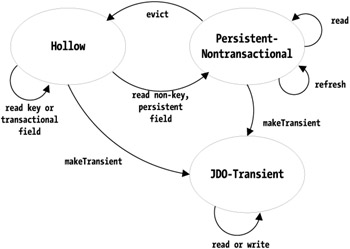
Figure 4-3: State transitions outside a transaction when NTR is true and NTW is false
When an application data object is hollow, all of its persistent field values are cleared except for its key fields. An application data object has one or more persistent key fields only when its class uses application identity. When a key field of a hollow object is accessed, the object remains hollow. When a persistent, non-key field of a hollow object is accessed, the value of the field is loaded from the datastore and the object becomes persistent-nontransactional. Once in memory, the field's value is not loaded again, unless it is refreshed or evicted. Outside a transaction, persistent application data objects, whether hollow or persistent-nontransactional, can be made JDO-transient, but JDO-transient objects cannot be made persistent. JDO-transient objects, because they are unmanaged by JDO, are not bound by any JDO rules about when their fields can be accessed or modified.
Figure 4-4 illustrates the state transitions of an application data object when the allowed persistent operations are performed outside of a transaction and when both NontransactionalRead and NontransactionalWrite are true. The state transitions permitted here are very similar to those permitted for the transactional configuration of Figure 4-3, except that now both reads and writes are allowed whereas before only reads were allowed.
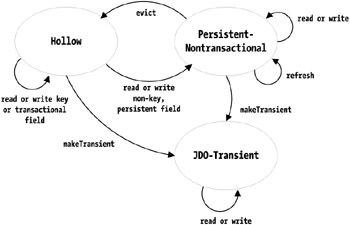
Figure 4-4: State transitions outside a transaction when both NTR and NTW are true
JDO State Transitions Inside Transactions
The three properties, Optimistic, RetainValues, and RestoreValues, control JDO's actions on managed objects within a transaction. Before looking at how JDO behaves when these properties are turned on or off, it is helpful to examine all of JDO's actions within a transaction that are not affected by these properties. Of the ten management states for application data objects, five are persistent and transactional, two are persistent but not transactional, and one is neither persistent nor transactional. These eight states are found in most of the diagrams presented here. The remaining two JDO management states, transient-clean and transient-dirty, occur only when the application makes use of JDO's optional support for transient and transactional objects. "The Optional Transient-Transactional Feature" section found later in this chapter describes the transient-transactional implementation option.
For the eight management states that are not transient and transactional, Figure 4-5 shows all the JDO actions that can occur within transactions and meet the following four conditions:
-
The effects of the action are the same regardless of the settings of the Optimistic, RetainValues, or RestoreValues properties.
-
The action is allowed (i.e., it does not throw an exception).
-
Either the action results in a state change, or it is not obvious that the state would not change.
-
The action does not make use of the optional JDO transient-transactional feature.
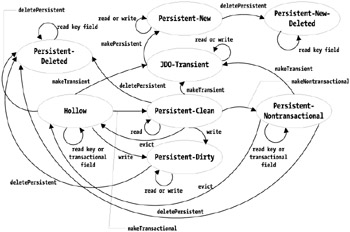
Figure 4-5: State transitions common to all transactions
Although the diagram of state transitions in Figure 4-5 is complex, there are a few simple principles that organize the complexity. Objects in any of the persistent states can be deleted, but persistent-new objects transition to the persistent-new-deleted state rather than the persistent-deleted state. An application can access the key fields of deleted objects, but it cannot access non-key fields of deleted objects, nor can it write any fields of a deleted object. Reading the value of a key field never changes the object's state. When the application writes to a persistent field, the object becomes persistent-dirty, unless it is persistent-new. JDO's makeTransient method applies to only the objects that are hollow, persistent-clean, and persistent-nontransactional. The application can access or modify any field it likes for an application data object in the JDO-transient state because JDO is not managing access to any of the object's fields.
As Figure 4-5 shows, the makeNontransactional method changes persistent-clean objects to persistent-nontransactional. If the JDO implementation does not support the javax.jdo.option.NontransactionalRead option, then calling makeNontransactional for a persistent-clean object results in a JDOUnsupportedOptionException.
Figure 4-5 provides the background for the figures that follow. While Figure 4-5 shows the actions that are independent of the three properties, Optimistic, RetainValues, and RestoreValues, the figures that follow show the actions that are dependent on the values of one of these properties.
JDO State Transitions Unique to Datastore Transactions
Figure 4-6 shows the operations whose behavior is unique to a datastore transaction. A JDO transaction is a datastore transaction when the transaction's Optimistic property is set to false. The persistent-clean state is central to the datastore transaction. When an application data object is in the persistent-clean state, its persistent state is transactionally consistent with the datastore. JDO provides the transactional consistency by starting an underlying database transaction that remains open for the duration of the JDO datastore transaction. JDO loads fresh values of the persistent state as needed within this underlying database transaction. Some JDO implementations may also lock the state in the datastore to prevent other transactions from changing it.
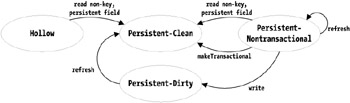
Figure 4-6: State transitions unique to datastore transactions
Reading a persistent non-key field of a hollow application data object or passing the application data object to makeTransactional causes JDO to change the object to persistent-clean. When the application data object is persistent-nontransactional, reading a persistent non-key field in the object causes JDO to discard the object's existing persistent state during the change to persistent-clean. Usually, the implementation loads the default fetch group during the transition to persistent-clean. Writing any persistent field of a persistent-nontransactional object causes JDO to discard the existing persistent state and reload fresh values as needed from the datastore before JDO applies the change.
Refreshing a persistent-dirty object causes JDO to discard the persistent state, including the modifications made. The object reverts to persistent-clean. Some JDO implementations may be able to restore the correct transactional values for the persistent fields from the before-image, while others may need to reload the correct values from the datastore.
Interestingly, passing a persistent-nontransactional object to the refresh method may be a no-op in a datastore transaction. In a datastore transaction, there is little reason for the implementation to carry out the refresh actions on a persistent-nontransactional object, since either read or write access to the persistent fields causes an implicit refresh.
JDO State Transitions Unique to Optimistic Transactions
Figure 4-7 illustrates the behavior that is unique to optimistic transactions. A transaction is optimistic when its Optimistic property is set to true. The figure shows behavior for optimistic transactions that is strikingly different from the behavior diagrammed for datastore transactions in Figure 4-6. In the optimistic transaction, the persistent-nontransactional state is central. When a non-key, persistent field of a hollow object is accessed, the object changes to persistent-nontransactional. Reading any field of a persistent-nontransactional object leaves it in the persistent-nontransactional state. In both cases, any persistent field values that are not already loaded into memory are fetched from the datastore as needed. Usually, the JDO implementation loads the object's default fetch group during the transition to persistent-nontransactional.
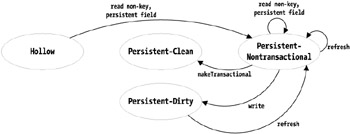
Figure 4-7: State transitions unique to optimistic transactions
If a persistent-nontransactional object is made transactional, the persistent state is not refreshed before the object becomes persistent-clean. Instead of reloading the persistent state (and possibly locking it) as would happen in a datastore transaction, the optimistic transaction enforces transactional consistency by checking the concurrency value of all transactional objects during commit processing.
Within an optimistic transaction, when the application writes to a persistent field of a persistent-nontransactional object, the object's state changes to persistent-dirty. Before the write is applied, the persistent fields of the object are not refreshed. Rather, the existing values of the persistent fields are kept.
A refresh on a persistent-nontransactional object causes the persistent state to be discarded. JDO reloads new values as needed, and as its option, it may reload the default fetch group immediately. Some implementation may perform the refresh only when the concurrency value indicates that the persistent state is out-of-date. When a persistent-dirty object is refreshed, the changes to its persistent state made within the transaction are lost. During the refresh, the object becomes persistent-nontransactional.
JDO State Transitions When RetainValues Is False
Figure 4-8 illustrates the behavior that is unique to transactions when the Retain-Values property is false. As Figure 4-8 shows, application data objects that are both persistent and transactional become either hollow or JDO-transient upon transaction commit when RetainValues is false. Whether they become hollow or JDO-transient, JDO clears their persistent fields.
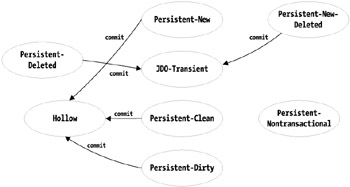
Figure 4-8: State transitions upon commit when RetainValues is false
Application data objects that are not transactional are not affected by transaction completion. In particular, the commit method has no effect on objects that are in the hollow, persistent-nontransactional, or JDO-transient state. As a result, setting the RetainValues property to false does not automatically evict persistent-nontransactional objects when the transaction commits.
JDO State Transitions When RetainValues Is True
Figure 4-9 illustrates the behavior that is unique to transactions when the RetainValues property is true. As Figure 4-9 shows, application data objects that are both transactional and persistent become either persistent-nontransactional or JDO-transient upon transaction commit when RetainValues is true. Whether they become persistent-nontransactional or JDO-transient, JDO retains the values of their persistent fields.
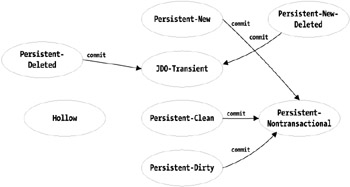
Figure 4-9: State transitions upon commit when RetainValues is true
Application data objects that are not transactional are not affected by transaction completion. In particular, a call to the commit method has no effect on objects that are in the hollow, persistent-nontransactional, or JDO-transient state.
JDO State Transitions When RestoreValues Is False
Figure 4-10 illustrates the behavior that is unique to transactions when the RestoreValues property is false. As Figure 4-10 shows, when RestoreValues is false, all transactional objects become either hollow or JDO-transient upon transaction rollback. The persistent fields of persistent-clean, persistent-dirty, and persistent-deleted application data objects are cleared to their Java default values on rollback.
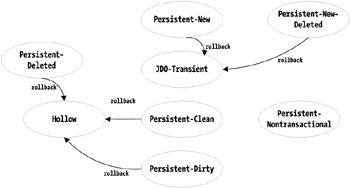
Figure 4-10: State transitions upon rollback when RestoreValues is false
As a result of both rollback and the automatic eviction, the objects become hollow. On the other hand, on rollback when RestoreValues is false, JDO retains the values of the persistent fields of persistent-new and persistent-new-deleted objects.
Application data objects that are not transactional are not affected by transaction completion. In particular, the rollback method has no effect on objects that are in the hollow, persistent-nontransactional, or JDO-transient state.
JDO State Transitions When Strong RestoreValues Is True
Figure 4-11 illustrates the behavior that is unique to transactions when strong RestoreValues is true. As Figure 4-11 shows, all transactional objects become hollow, persistent-nontransactional, or JDO-transient upon transaction rollback when strong RestoreValues is true. Persistent-clean objects do not have a before-image. As a result, they change to persistent-nontransactional upon rollback.
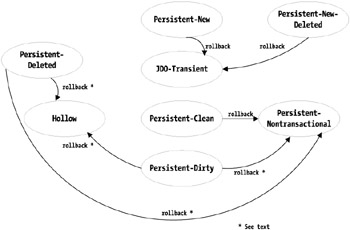
Figure 4-11: State transitions upon rollback when strong RestoreValues is true
Persistent-dirty and persistent-deleted objects may become hollow or persistent-nontransactional. They become hollow because they previously changed to the persistent-dirty or persistent-deleted state from the hollow state. As a result, the before-image contains the Java default values for the persistent fields. On the other hand, if the persistent-dirty or persistent-deleted objects were previously persistent-clean or persistent-nontransactional, then they become persistent-nontransactional as a result of restoring from the before-image upon rollback.
Application data objects that are not transactional are not affected by transaction completion. In particular, the rollback method has no effect on objects that are in the hollow, persistent-nontransactional, or JDO-transient state.
JDO State Transitions When Weak RestoreValues Is True
Figure 4-12 illustrates the behavior that is unique to transactions when weak RestoreValues is true. As Figure 4-12 shows, persistent-new and persistent-new-deleted objects become JDO-transient upon transaction rollback when weak RestoreValues is true. Persistent-clean, persistent-dirty, and persistent-deleted objects become hollow.
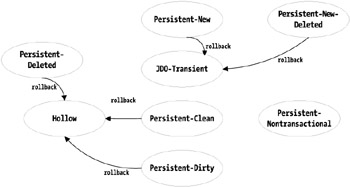
Figure 4-12: State transitions upon rollback when weak RestoreValues is true
If you compare Figure 4-12 with Figure 4-10, you can see that the state transitions when RestoreValues is weak are the same whether the property is true or false. All that changes is whether JDO saves a before-image when the object becomes persistent-new and whether JDO restores the managed fields of persistent-new and persistent-new-deleted objects from the before-image upon rollback.

EAN: 2147483647
Pages: 156