6.7 Problems
6.7 Problems
| 1. | In a CIF picture, find the number of macroblocks and blocks per
| | ||||||||||||
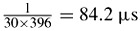
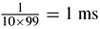
| 2. | Calculate the macroblock interval in CIF pictures. How large is this value for a QCIF video at 10 Hz? | | ||||||||||||
| 3. | The absolute value of the motion compensated frame difference per macroblock, |mfd|, is normally smaller than that without motion compensation, |fd|. In a search for motion compensation, the following values for |mfd| and |fd| have been calculated. Using Figure 6.4, determine in which of the following cases motion compensation should be used:
| | ||||||||||||
| 4. | Why is nonmotion compensation preferred to motion compensation for very small frame difference images? | | ||||||||||||
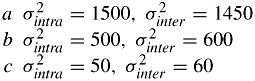
| 5. | To decide whether a macroblock should be interframe or intraframe coded, the variances of intra and motion compensated interframe macroblocks are compared, according to Figure 6.5. Find in each of the following whether a macroblock should be intra or interframe coded: | | ||||||||||||
| 6. | In macroblocks with small energy (inter or intra), inter macroblock is preferred to intra, why? | | ||||||||||||
| 7. | Calculate the coded block pattern (CBP) indices of the following macroblocks in a H.261 codec if:
| | ||||||||||||
| 8. | Assume the transform coefficients of the block given in problem 3 of Chapter 5 belong to an H.261 codec. These coefficients are linearly quantised with the quantiser of Figure 6.9, with th = 16 and q = 12. Using Figure 6.12, calculate the number of bits required to code this block. | | ||||||||||||
| 9. | Pixels on the top left corner of a picture have values of:
and are filtered with the loop filter of Figure 6.16. Find the filtered values of these pixels. | | ||||||||||||
| 10. | The maximum quantiser step size in H.261 is 62 (quantiser parameter is 31, defined with five bits). A 384 kbit/s H.261 encoder with an RM8 type rate control has a smoothing buffer of 5 kbytes. Find the spare capacity of the buffer, when the quantiser step size is at its maximum value. | |

Answers
| 1. |
| ||||||||||||||||||||||||||||||||||||||||||||||||||||||||||||||||
| 2. | | ||||||||||||||||||||||||||||||||||||||||||||||||||||||||||||||||
| 3. |
| ||||||||||||||||||||||||||||||||||||||||||||||||||||||||||||||||
| 4. | due to motion vector overhead | ||||||||||||||||||||||||||||||||||||||||||||||||||||||||||||||||
| 5. |
| ||||||||||||||||||||||||||||||||||||||||||||||||||||||||||||||||
| 6. | For small values in intra mode DC still needs eight bits, while in inter mode it is less. | ||||||||||||||||||||||||||||||||||||||||||||||||||||||||||||||||
| 7. |
| ||||||||||||||||||||||||||||||||||||||||||||||||||||||||||||||||
| 8. |
events: (0, 83)(4, 2)(0,1)(0, -1)(1, -1)(1, 1)(4, 3)(4, -1)(1,3)(1,3)(1,4)(2, -1) (3, 4)(0, 2) (3, 2)(20,1)(2, 31) number of bits (including the sign bit): 20 + 9 + 5 + 5 + 6 + 6 + 11 + 8 + 8 + 8 + 9 + 7 + 11 + 5 + 8 + 20 + 20 = 166 no EOB is used, as the last coefficient is coded | ||||||||||||||||||||||||||||||||||||||||||||||||||||||||||||||||
| 9. |
| ||||||||||||||||||||||||||||||||||||||||||||||||||||||||||||||||
| 10. | @384 kbit/s P = 6 and with q = 62 and P = 6, the buffer content is 36 kbits, left over capacity = 5000 x 8 - 36000 = 4000 bits |

EAN: 2147483647
Pages: 148