9.2 TSPSM Benefit Methodology
8.4 PSP SM ROI% Methodology
The ROI% methodology for the Personal Software Process SM is a procedure to measure, quantify, and analyze the money returned. The ratio of net benefits to costs for the Personal Software Process SM is high due to vast software maintenance cost savings. ROI% is the money earned from using the Personal Software Process SM to create a new and improved software process. Its ROI% methodology is a two-part process that consists of estimating the B/CR using net benefits versus gross benefits. Its benefit methodology consists of combining the net or adjusted benefits together with the special costs using the B/CR formula. Key elements include subtracting the special costs from the gross benefits to form net benefits. These are used to form a better picture of the magnitude of the benefits to the costs for the Personal Software Process SM . (B/CR and ROI% are similar in that they are used to compare benefits to costs. However, B/CR uses gross benefits, while ROI% uses net benefits. Net benefits do not contain the implementation costs. Therefore, ROI% lowers the magnitude of benefits to costs versus using B/CR. The objective of using ROI% versus B/CR is to begin forming an accurate picture of the actual benefits of using a software process improvement method.) Figure 36 illustrates the ROI% methodology for the Personal Software Process SM .
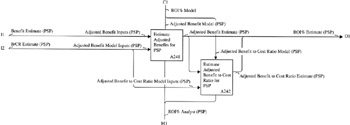
Figure 36: ROI% Methodology for Personal Software Process SM
Estimate adjusted benefits for PSP SM : The objective of this activity is to validate the benefits of PSP SM by removing its costs. This substep includes: subtract special costs from benefits for PSP SM .
Estimate adjusted B/CR for PSP SM : The objective of this activity is to measure the magnitude of the net benefits to the costs for implementing PSP SM . This substep includes: divide adjusted benefits by special costs for PSP SM .

EAN: 2147483647
Pages: 145
- Challenging the Unpredictable: Changeable Order Management Systems
- Context Management of ERP Processes in Virtual Communities
- Healthcare Information: From Administrative to Practice Databases
- A Hybrid Clustering Technique to Improve Patient Data Quality
- Development of Interactive Web Sites to Enhance Police/Community Relations