Knowledge Orbits: Twin Feedback Loops
The twin feedback loops in a continuous learning organization could be diagrammed by highlighting the distinctions in the two force fields of performance, as follows:
| First Loop Learning | Second Loop Learning |
|---|---|
| Student learns | Teacher learns |
| Feedback loop to individual | Feedback loop to organization |
| Tactical | Strategic |
| Course-based | Curriculum-based |
The twin loops include the following further distinctions:
| First Loop Learning | Second Loop Learning |
|---|---|
| Feedback: Test scores | Feedback: Curriculum evaluations |
| Individual context | Group context |
| Result: Learning | Result: Learning about learning |
| Impact: Individual performance | Impact: Organizational performance |
Whether viewed within the context of machine systems or living systems (for it exists in both), the double-loop learning process connects Loop 1 student learning with Loop 2 teacher learning—through knowledge orbits, information circulating in a performance force field. Figure 7 diagrams this process and highlights the benefits for each side within the continuous learning system.
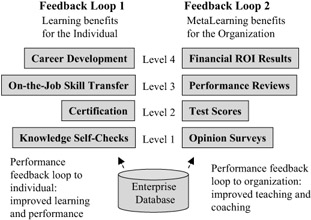
Figure 7: Knowledge Orbits— Connecting the Force Fields of Performance.

EAN: 2147483647
Pages: 110