| < Day Day Up > |
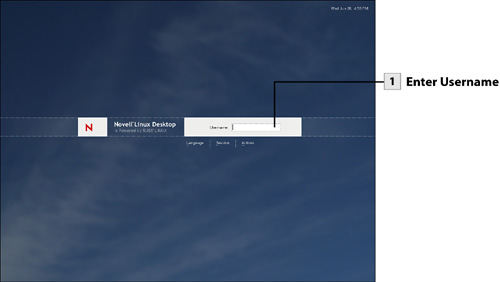
2. Log On to the System
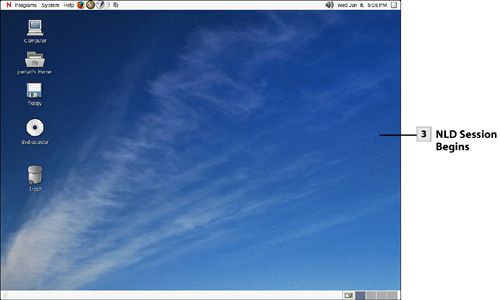
After you have made changes to the Logon Manager (or stayed with the defaults), you are ready to log on to the system and begin an NLD session. A session is really just a way to describe the time between your logon and
2. Log On to the System
|
| < Day Day Up > |
| < Day Day Up > |
3. About Logoff Options
After you have completed an NLD session, you will want to log off the system. What actually happens when you log off is controlled by the Logoff dialog box, accessed via the desktop System menu. The options provided are
Tip
The Logoff dialog box provides a Save Current Setup check box. Selecting this check box saves certain settings that you have changed for the GNOME desktop such as font settings,
Options are provided in the Logoff dialog box.
The choice that you make in the Logoff dialog box depends on how you want to end your session. If you want to log off and allow another
|
| < Day Day Up > |
| < Day Day Up > |
4. Log Off the System from the Desktop
Logging off the system either returns you to the Logon Manager or shuts down the system. Either choice effectively ends your current NLD session. 4. Log Off the System from the Desktop
Tip If you are planning on shutting down the system, select Shut Down in the Logoff dialog box. |
| < Day Day Up > |
| < Day Day Up > |
5. Shut Down the System from the Logon Manager
You have probably already realized that you can shut down the system as you log off by selecting the Shutdown option in the Logoff dialog box. You can also shut down the system from the Logon Manager. 5. Shut Down the System from the Logon Manager
Tip
NLD shuts down one system level at a time, and each of these levels is noted on the text screen that appears as the system goes through the shutdown process. Wait until all the NLD processes have been
|
| < Day Day Up > |