Flylib.com
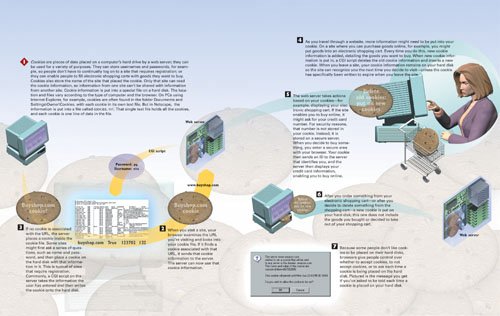
How Cookies Work
Previous page
Table of content
Next page
Previous page
Table of content
Next page
How Personal & Internet Security Works
ISBN: 0789735539
EAN: 2147483647
Year: 2004
Pages: 161
Authors:
Preston Gralla
BUY ON AMAZON
VBScript Programmers Reference
What VBScript Is and Isn™t!
Control of Flow
Appendix A VBScript Functions and Keywords
Appendix F The Scripting Runtime Library Object Reference
Appendix H Regular Expressions
Image Processing with LabVIEW and IMAQ Vision
CMOS Image Sensors
Camera Interfaces and Protocols
Reading Instrument Displays
Image Focus Quality
Application Examples
The New Solution Selling: The Revolutionary Sales Process That Is Changing the Way People Sell [NEW SOLUTION SELLING 2/E]
Chapter Three Sales Process
Chapter Six Defining Pain or Critical Business Issue
Chapter Nine Selling When You re Not First
Chapter Twelve Controlling the Buying Process
Chapter Fifteen Sales Management System: Managers Managing Pipelines and Salespeople
Junos Cookbook (Cookbooks (OReilly))
Logging SNMP Access to the Router
Setting the Routers Source Address
Filtering Routes by IP Address
Configuring RIP
Leaking IS-IS Level 2 Routes into Level 1
Special Edition Using FileMaker 8
Working with Relationships
Deriving Meaning from Data
Converting Files
Importing from an XML Data Source
Instant Web Publishing
FileMaker 8 Functions and Scripts Desk Reference
Get(RequestCount)
Get(UseSystemFormatsState)
PV()
Substitute()
FileMaker
flylib.com © 2008-2017.
If you may any questions please contact us: flylib@qtcs.net
Privacy policy
This website uses cookies. Click
here
to find out more.
Accept cookies